I Watched My Son Sprint and Saw a Problem
A note from the editor: this issue is off-brand for The Corneum. I don't usually write about youth sports biomechanics. But I've been sitting in the bleachers watching my kids play baseball and soccer for four years now, and something I noticed in how they move sent me down a research rabbit hole I think every parent of a young athlete should know about.
It started at a Saturday morning baseball game. My son was running from first to second and I noticed something I couldn't unsee: his knees were doing all the work. His stride was choppy, upright, quad-heavy: every push-off came from the front of his thigh. His glutes, the biggest and most powerful muscles in his body, were basically along for the ride.1
I looked around the field at the other seven- and eight-year-olds. Most of them moved the same way. Knees forward, heels lifting early, torso bolt upright. Then I watched a travel soccer practice later that afternoon. Same pattern. Of the fifteen kids on the field, I counted maybe two or three who drove from their hips when they sprinted.
The concept has a name in sports science: anterior chain dominance versus posterior chain dominance. In plain language, it's the difference between a kid whose movement is powered by the muscles on the front of their body (quads, hip flexors, anterior tibialis) versus the muscles on the back: glutes, hamstrings, calves, and the muscles running along the spine.2
The sports performance world has been talking about this for two decades, but the conversation has mostly stayed in college and professional athletics. It rarely filters down to the parents of seven-to-ten-year-olds who are watching their kids develop movement patterns that will follow them for the rest of their lives. I wanted to know: does the evidence actually support what I was seeing? And if so, what can a parent do about it?
Front Engine vs. Rear Engine
Your body has two primary kinetic chains: groups of muscles that work together to produce movement. The anterior chain runs down the front: rectus abdominis, hip flexors, quadriceps, and anterior tibialis. The posterior chain runs down the back: erector spinae, gluteus maximus, hamstrings, and calves.3
Both chains matter. You need functional quads to decelerate, land from a jump, and extend your knee. But here's the critical asymmetry: the posterior chain is where explosive, athletic power lives. Sprinting, jumping, throwing, changing direction: the biomechanics of virtually every high-speed athletic movement are driven primarily by hip extension, which is a posterior chain job. The glutes and hamstrings are the engine. The quads are the brakes.4
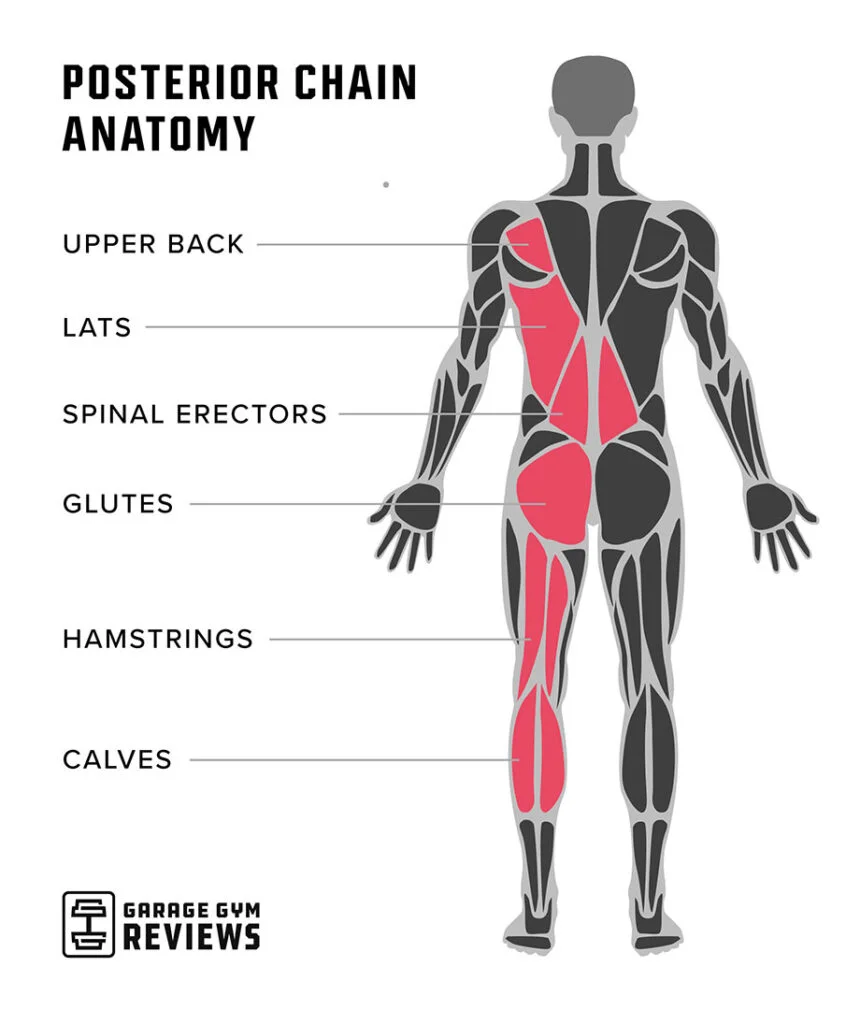
A quad-dominant child, one whose movement patterns default to the anterior chain, tends to run with an upright torso, push off from the balls of the feet with minimal hip extension, and absorb force primarily through the knees. A posterior-chain-dominant child pushes from the hips, maintains a slight forward lean during acceleration, and distributes force through the entire leg.5
The distinction matters for two reasons. First, posterior chain dominance is faster. The glutes are the single largest muscle in the human body and produce more force per contraction than any other muscle group. A sprint powered by hip extension will always beat one powered by knee extension, all else being equal.6 Second, and this is the part that should concern every parent, quad dominance dramatically increases injury risk.
What the Research Actually Shows
Let me be upfront: there is no single randomized controlled trial that took 200 seven-year-olds, trained half of them for posterior chain dominance, and followed them for a decade. That study doesn't exist. But there is a convergent body of evidence from sports medicine, biomechanics, and injury epidemiology that points in a consistent direction.
Data from multiple meta-analyses of neuromuscular training in youth athletes.7,8,9
Neuromuscular training programs in youth athletes. Pooled analysis of 27 studies found that structured programs emphasizing posterior chain activation, proprioception, and movement quality reduced lower extremity injury rates by approximately 50% in youth populations.7
Result: The effect was strongest when programs included hip-dominant exercises and were performed 2-3 times per week for at least 10-15 minutes per session.
Limitation: Most studies defined "youth" as ages 12-18; very few included children under 10. The extrapolation to 7-10 year olds is reasonable but not directly tested.
Optimal training dose for injury prevention in youth athletes. A dose-response analysis of neuromuscular training programs found that sessions of 10-15 minutes, performed 2-3 times per week, with a total weekly volume of 30-60 minutes produced the largest preventive effect.8
Result: Benefits were achievable within 20-60 sessions. Programs emphasizing balance, strength, and plyometrics, all posterior-chain-heavy, showed the greatest effect sizes.
Limitation: The "optimal dose" is derived from pooled data across many different programs. Individual responses will vary.
Sex and age effects on knee strength in young athletes. A systematic review examining hamstring-to-quadriceps ratios across youth age groups found no significant sex- or age-related differences in the H:Q ratio before puberty. Pre-pubertal boys and girls showed similar strength profiles.9
Result: The critical window is pre-puberty. Both sexes benefit equally from posterior chain training at ages 7-10, before hormonal differences create divergent strength trajectories.
Limitation: Cross-sectional data cannot establish causation. Longitudinal studies tracking H:Q ratio development from childhood through puberty are sparse.
The ACL connection deserves its own paragraph. Anterior cruciate ligament injuries in youth athletes are increasing, and the epidemiology is clear: quad-dominant landing and cutting mechanics are a primary risk factor.10 When a child lands from a jump or plants to change direction and loads the quads instead of the glutes, the knee takes the force that the hip should be absorbing. Do that a few thousand times during a soccer season and you've built a structural time bomb. Neuromuscular training programs that explicitly teach posterior chain loading have been shown to reduce ACL injury rates in youth and adolescent athletes, with the strongest effects seen when training begins before age 12.11
ACL injury risk factors in elite female handball and soccer players. A prospective cohort of 880 athletes found that increased static knee valgus, a hallmark of quad-dominant movement, was significantly associated with noncontact ACL injury risk.10
Result: Knee valgus during landing is both identifiable and modifiable through training. Athletes who corrected valgus patterns through posterior chain strengthening showed reduced injury rates in follow-up.
Limitation: Study population was elite female athletes, not 7-10 year old recreational athletes. However, the biomechanical principles of valgus and quad dominance apply across ages.
The glutes are the biggest muscle in the human body. When a child doesn't use them to run, they're driving a car in first gear: all engine noise, no speed.
Concept adapted from strength coaching literatureThere's also a performance angle. A 2026 study published in Medicina compared two posterior chain training protocols in elite youth football players. While eccentric hamstring strength improved significantly in both groups, the transfer to sprint speed was inconsistent: highlighting that posterior chain strength alone isn't sufficient. It needs to be paired with movement pattern training that teaches the nervous system to recruit those muscles during sport-specific actions.12
Three Ways to Tell in Your Living Room
You don't need a motion-capture lab to figure out whether your child defaults to anterior or posterior chain loading. Here are three tests you can do at home in five minutes, with no equipment. I've done all three with my kids and the results were... illuminating.
Test 1: The Bodyweight Squat Watch
Have your child stand with feet shoulder-width apart, toes pointed slightly out, arms extended forward. Ask them to squat down as low as they comfortably can, five times, at a natural pace. Don't coach them: just watch.13
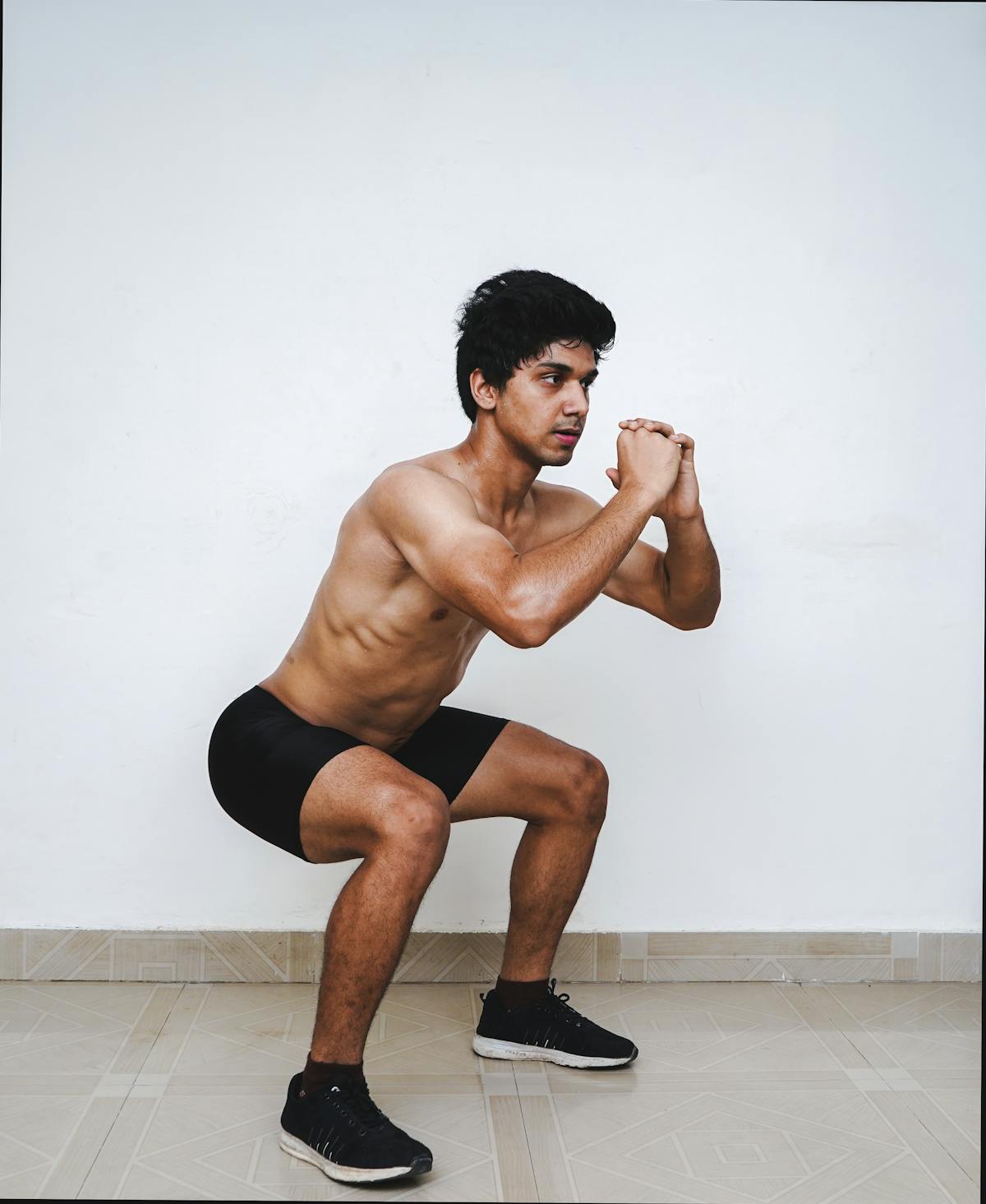
What you're looking for: Do the heels come off the ground? Even a little? That's the single clearest sign of quad dominance in a child.13 The knees driving forward past the toes, the torso staying bolt upright with no forward lean: these are secondary confirmations. A hip-dominant child will instinctively push their hips back, keep their heels glued to the floor, and lean their torso slightly forward to counterbalance.
Test 2: The Sprint Observation
Watch your child sprint from behind: have them run away from you at full speed across a field or backyard. You're looking at two things: where is the power coming from, and what angle is their torso?5
A quad-dominant sprinter runs upright from the first step, takes short choppy strides, and you'll notice minimal backward leg extension: the foot barely gets behind the body before the next step starts. A posterior-chain-dominant sprinter accelerates with a noticeable forward lean (during the first 10-15 yards), takes longer strides, and you can see the leg extending well behind the body at push-off. The visual difference is striking once you know what to look for.
Test 3: The Single-Leg Glute Bridge Hold
Have your child lie on their back, knees bent, feet flat on the floor. Ask them to push their hips up into a bridge, then lift one foot off the ground and hold for 15 seconds. Switch legs.14
What you're watching for: Can they hold it? Does the hip on the unsupported side drop? Do they shake? Do they feel it in their hamstrings or lower back instead of their glutes? If a child can't hold a single-leg glute bridge for 15 seconds without the hip dropping, their glutes are not effectively firing, and their quads and lower back are picking up the slack.
Heels Rise During Squat
The clearest single indicator of quad dominance. The calf and quad are taking over for the glute and hamstring. Worth addressing even if nothing else shows up.
Knees Collapse Inward
Valgus knee position during squatting or landing indicates weak glute medius: a posterior chain muscle critical for knee stability and ACL protection.
Flat Feet, Hips Back
If your child naturally squats with flat feet and hips hinging backward, their posterior chain is already engaged. This is the pattern you want to see and reinforce.
Stable Single-Leg Bridge
15 seconds on each side without hip drop means glute activation is functional. The posterior chain is doing its job. Keep building on it.
Six Exercises That Rewire the Pattern
Here's the good news: movement patterns at ages 7-10 are highly plastic. The neuromuscular system is still learning which muscles to recruit for which tasks, and it responds rapidly to training: much faster than in adults. The American Academy of Pediatrics, the National Strength and Conditioning Association, and multiple sports medicine position statements agree: children as young as 7-8 can safely begin structured bodyweight movement training, provided the emphasis is on form, not load.15,16
The goal is not to turn your eight-year-old into a powerlifter. It's to teach their nervous system to use the posterior chain as the default engine for athletic movement. Here are six exercises, in order from simplest to most challenging, all bodyweight, all doable in a living room or backyard.
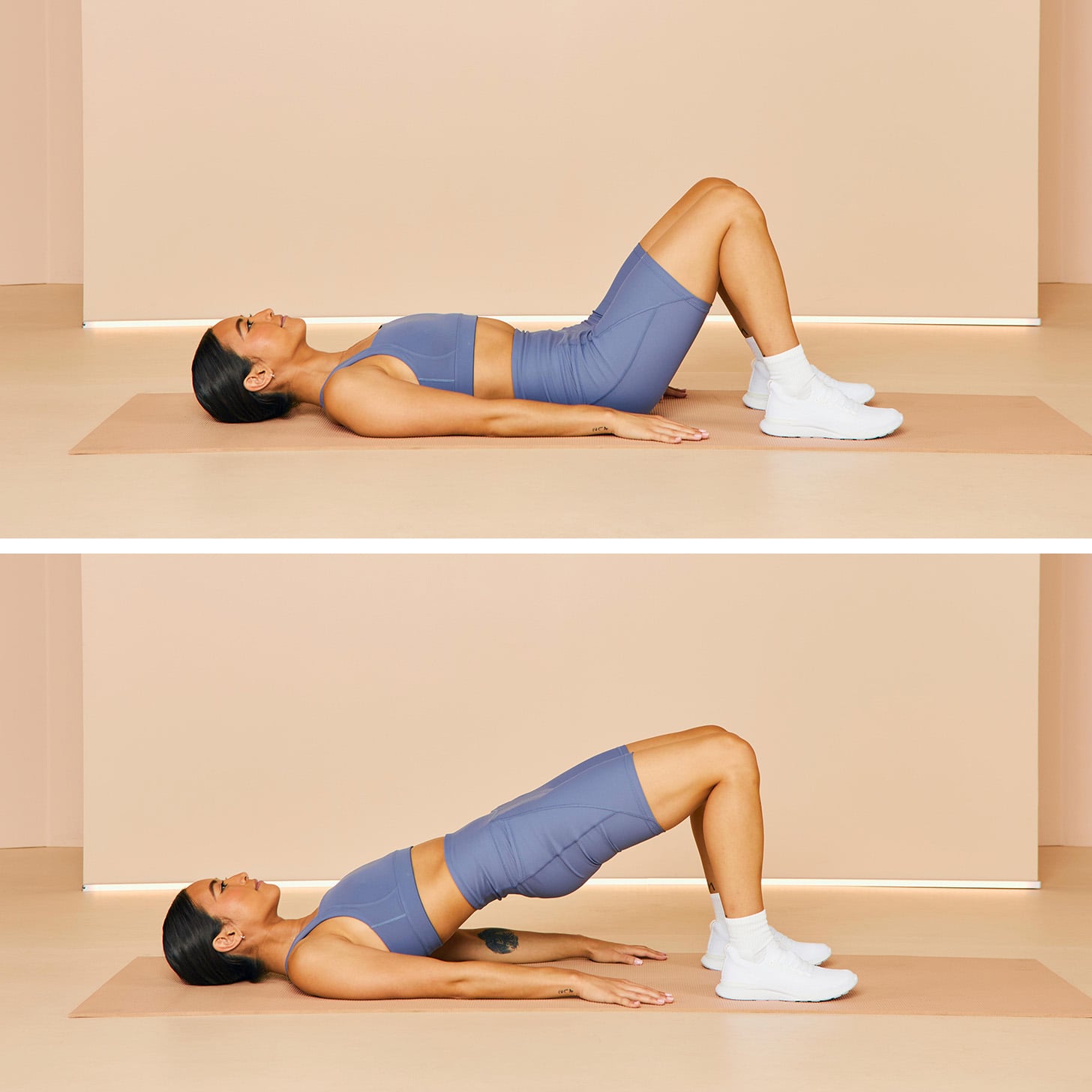
Glute Bridge
Lie on back, knees bent, feet flat. Push hips to ceiling by squeezing the glutes, not by arching the back. Hold 3 seconds at the top. Start with 2 sets of 10. Cue: "Push the ground away with your heels."
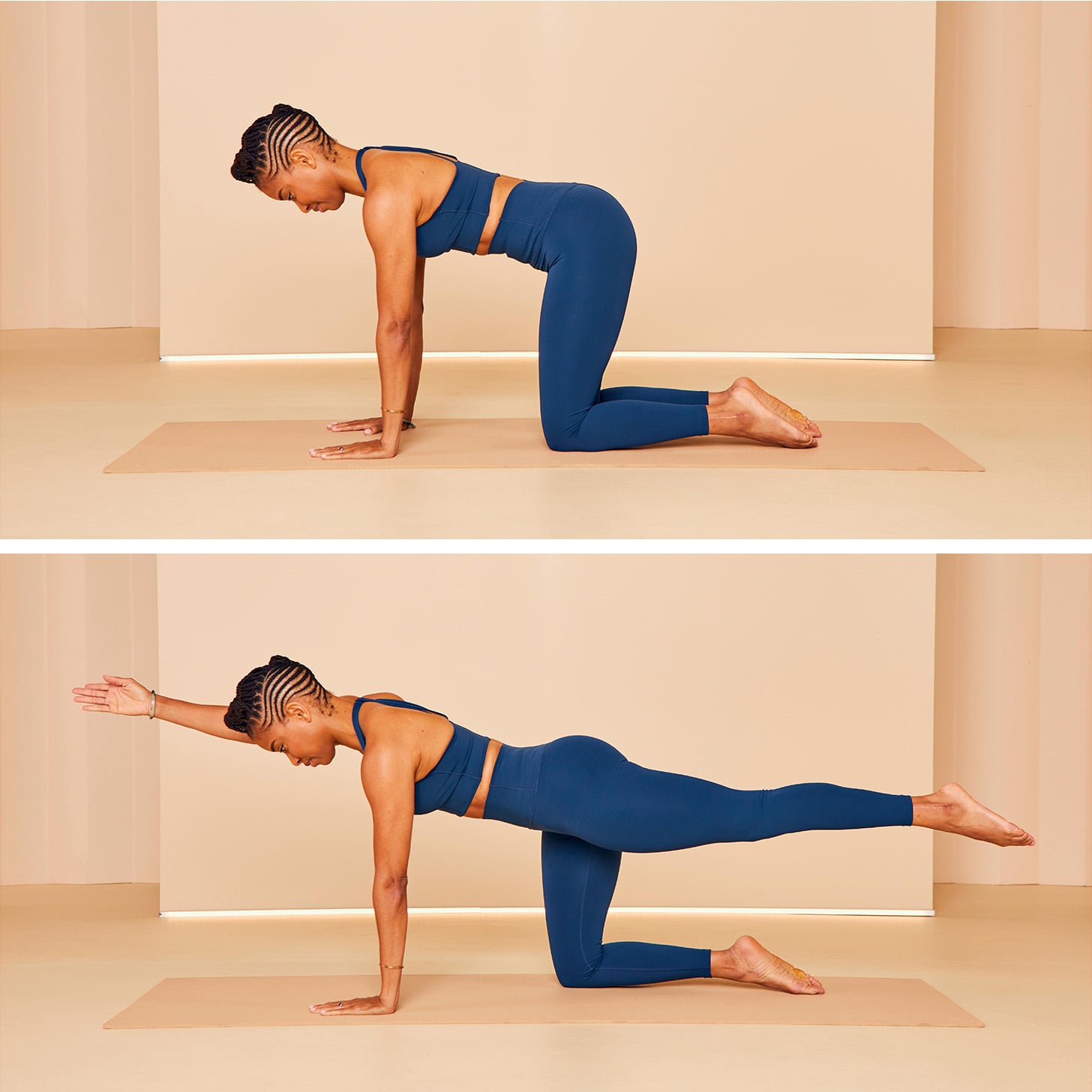
Bird Dog
On hands and knees, extend opposite arm and leg simultaneously. Hold 3 seconds. Alternate sides. 2 sets of 6 per side. Builds glute activation while teaching core stability and cross-body coordination.
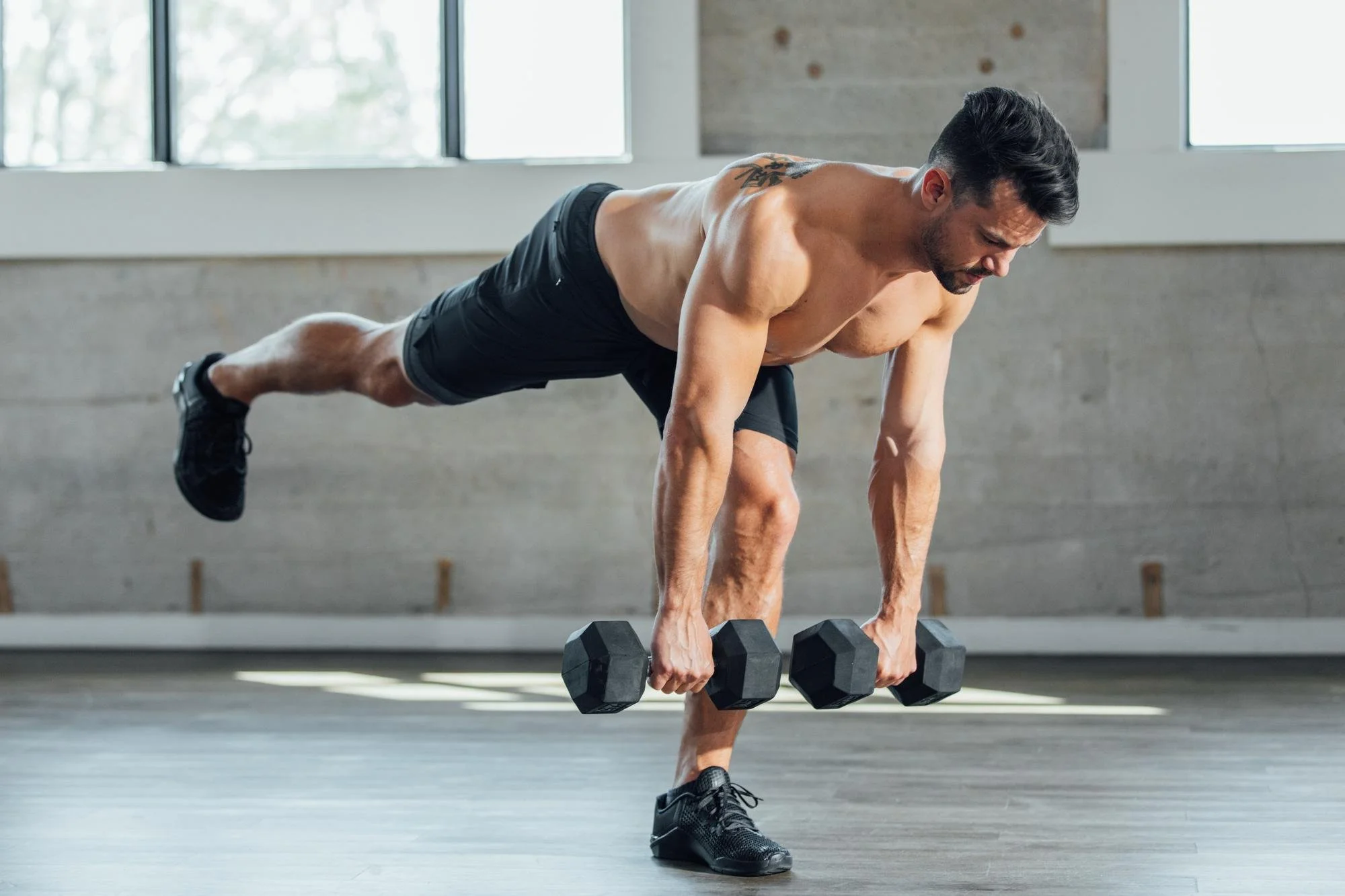
Single-Leg Romanian Deadlift
Stand on one leg, hinge forward at the hips while extending the other leg behind you. Reach hands toward the ground. Return to standing. 2 sets of 5 per leg. No weight needed: balance IS the challenge.
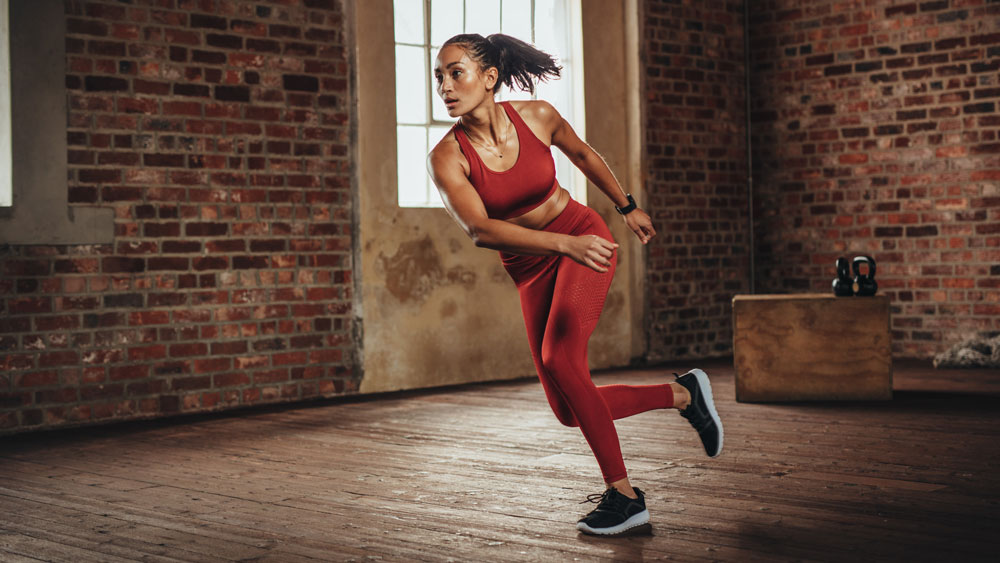
Skater Hops
Hop laterally from one foot to the other, landing softly on the outside leg with the hip loaded. Stick each landing for 1 second before hopping back. 2 sets of 8 total. Builds lateral glute strength critical for cutting in soccer and baseball.
Programming note for parents: Pick three of these. Do them as a warm-up before practice or as a 10-minute session 2-3 times per week. The research is clear that 10-15 minutes of neuromuscular training, two to three times weekly, is the sweet spot for youth athletes: more isn't necessarily better at this age.8 Keep it fun. Make it a game. The moment it feels like homework, you've lost them.
What the Instagram Coaches Get Wrong
Before any parent reads this and starts running their eight-year-old through a CrossFit WOD, I need to flag a few things the evidence is very clear about.
First: balance matters. The anterior chain is not the enemy. Quads are essential for deceleration, landing, and knee stability. The goal is not posterior chain dominance at the expense of the anterior chain: it's correcting the imbalance that modern sedentary childhoods create. Kids who sit in chairs for six hours a day at school develop shortened hip flexors and inhibited glutes.17 You're not trying to create an imbalance in the other direction; you're trying to undo one that already exists.
Second: no external load before competency. The NSCA and the American Academy of Pediatrics are aligned: bodyweight first, always, until movement quality is consistent and automatic. Adding a barbell to a bad movement pattern doesn't fix it: it reinforces it under load, which is how injuries happen.15 For 7-10 year olds, bodyweight exercises are more than sufficient to build the neuromuscular patterns that matter.
Third: supervision is non-negotiable. Children learning new movement patterns need a knowledgeable adult watching their form. Incorrect lifting patterns are more difficult to correct the longer the athlete has been performing them.16 A few sessions of attentive coaching at the beginning is worth more than a year of unsupervised reps.
Fourth: this is not a diagnosis. If your child has persistent pain, significant asymmetry, or a history of injury, see a pediatric sports medicine physician or a physical therapist who specializes in youth athletes. The home tests I described are screening tools, not diagnostic instruments. They tell you whether to pay attention, not what's wrong.
No Weights Before Form
External load (barbells, dumbbells) should not be introduced until a child can perform bodyweight movements with consistent, automatic form. For most 7-10 year olds, bodyweight is the right training tool.
Chair Time Is the Real Enemy
6+ hours of sitting per day at school shortens hip flexors and inhibits glute activation. The exercises help, but reducing prolonged sitting matters more for long-term patterns.
Don't Overcorrect
Overemphasizing posterior chain exercises while neglecting the anterior chain can create weak quadriceps and hip flexors: a different imbalance with its own injury risks.
The Window Is Wide Open
Ages 7-10 represent a period of high neuromuscular plasticity. Movement patterns learned now become automatic through puberty and beyond. The earlier the intervention, the more durable the result.
What I'd Tell a Parent in the Bleachers
This is not a topic I expected to write about. The Corneum is a skincare and wellness newsletter, and I'm aware that youth sports biomechanics is a different universe. But the more I sat in the bleachers watching my own kids play, and the more I dug into the literature, the more I became convinced that this is one of those quiet, high-leverage things a parent can do that most parents never hear about.
The evidence for posterior chain training in youth athletes is promising but incomplete. The biomechanics are sound: hip extension is the primary driver of speed, power, and safe deceleration, and the glutes and hamstrings are the muscles that produce it. The injury prevention data is strong: neuromuscular training programs that emphasize posterior chain activation reduce lower extremity injuries by approximately 50% in youth populations. The safety data is clear: bodyweight movement training is safe for children as young as 7-8 when supervised.
What's missing is the definitive longitudinal study. Nobody has randomized a thousand seven-year-olds, trained half for posterior chain dominance, and followed them through high school to measure injury rates and athletic development. That study would be expensive, slow, and logistically nightmarish. But the convergent evidence from biomechanics, injury epidemiology, and neuromuscular training research all points in the same direction: teaching your child to use their glutes is one of the best things you can do for their athletic future.
Ten minutes, three times a week. Glute bridges, hip hinges, bird dogs. No weights, no gym membership, no special equipment. If I'm wrong, you've wasted thirty minutes a week on bodyweight exercises that are good for your kid regardless. If I'm right, and the evidence suggests I am, you've given them a structural advantage that compounds for years.
Most kids ages 7-10 are quad-dominant by default: a pattern that limits speed and increases injury risk. Three simple bodyweight tests can identify it, and 10 minutes of posterior chain exercises three times per week can fix it. The evidence isn't definitive, but it's directionally strong and the downside risk is zero.
- 1. Contreras B, et al. The gluteus maximus: anatomy, function, and rehabilitation. International Journal of Sports Physical Therapy. 2020;15(5):845-858.
- 2. Robertson M. Do athletes need more anterior or posterior chain work? Robertson Training Systems. 2023. robertsontrainingsystems.com
- 3. Neto WK, et al. Gluteus maximus activation during common strength and hypertrophy exercises. Journal of Sports Science & Medicine. 2020;19(1):195-203. PubMed 32132843
- 4. Morin JB, et al. Sprint acceleration mechanics: the major role of hamstrings in horizontal force production. Frontiers in Physiology. 2015;6:404. doi:10.3389/fphys.2015.00404
- 5. Bosch F, Klomp R. Running: Biomechanics and Exercise Physiology in Practice. Elsevier, 2005. us.elsevierhealth.com
- 6. Cronin JB, Hansen KT. Strength and power predictors of sports speed. Journal of Strength and Conditioning Research. 2005;19(2):349-357. doi:10.1519/14323.1
- 7. Emery CA, et al. Neuromuscular training injury prevention strategies in youth sport: a systematic review and meta-analysis. British Journal of Sports Medicine. 2015;49(13):865-870. doi:10.1136/bjsports-2015-094639
- 8. Lesinski M, et al. Dose-response relationship of neuromuscular training for injury prevention in youth athletes: a meta-analysis. Frontiers in Physiology. 2017;8:920. doi:10.3389/fphys.2017.00920
- 9. Effect of sex and age on knee strength in young athletes: a systematic review and meta-analysis. Sports Medicine. 2024. ncbi.nlm.nih.gov
- 10. Myklebust G, et al. Anatomic risk factors for initial and secondary noncontact ACL injury: a prospective cohort study in 880 female elite handball and soccer players. American Journal of Sports Medicine. 2024. doi:10.1177/03635465241292755
- 11. Sugimoto D, et al. Dosage effects of neuromuscular training intervention to reduce anterior cruciate ligament injuries in female athletes. Meta-analysis review, British Journal of Sports Medicine. 2014;48(5):1-5. doi:10.1007/s40279-013-0135-9
- 12. Comparison of two posterior chain strength training protocols on performance and injury incidence in elite youth football players. Medicina. 2026;62(1):140. doi:10.3390/medicina62010140
- 13. Clark MA, Lucett SC. NASM Essentials of Corrective Exercise Training. National Academy of Sports Medicine, 2nd ed. 2014. Chapter: Overhead Squat Assessment.
- 14. Reiman MP, et al. Reliability and validity of clinical assessment of the hip joint: a systematic review. Clinical Rehabilitation. 2013;27(3):286-294.
- 15. Strength training in children and adolescents: raising the bar for young athletes? Sports Health. 2012;4(5):436-443.
- 16. Faigenbaum AD, et al. Youth resistance training: updated position statement paper from the National Strength and Conditioning Association. Journal of Strength and Conditioning Research. 2009;23:S60-S79. doi:10.1519/JSC.0b013e31819df407
- 17. McGill SM. Low Back Disorders: Evidence-Based Prevention and Rehabilitation. Human Kinetics, 3rd ed. 2016.